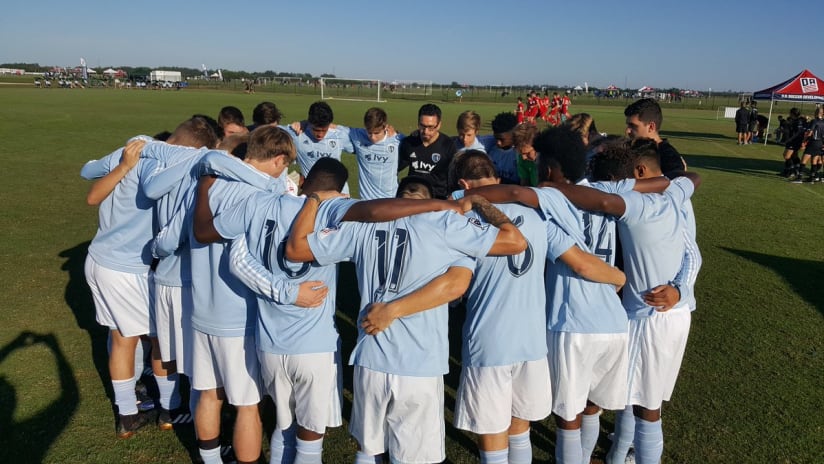
Team sports have played a huge role in supporting my mental health. At first, I joined simply to stay active and improve my physical condition, but I soon realized the psychological benefits were even more important. Being part of a team gives me a strong sense of belonging. I know that other people rely on me, and this responsibility motivates me to show up even on difficult days. Instead of feeling isolated with my thoughts, I share victories, defeats, and everyday moments with others. Training is also a powerful way to release stress. After running, practicing, and concentrating on the game, my mind feels clearer. Problems that seemed overwhelming before become smaller and easier to manage. Physical effort helps transform anxiety into energy, leaving me tired in a positive and healthy way. Another important aspect is emotional growth. Through sport I learn how to accept mistakes, deal with frustration, and respect both teammates and opponents. Winning teaches confidence, while losing teaches resilience. These lessons are valuable not only on the field but also in daily life, at school, and in relationships. Finally, team sports give structure to my routine. Regular practices encourage me to organize my time, sleep better, and maintain discipline. Even when motivation is low, commitment to the group pushes me forward. For all these reasons, I see team sports as much more than competition. They are a source of balance, connection, and personal strength that helps me protect my mental well-being every day.

More Than a Game: Why Sports Are Essential for Mental Health
In a world full of stress and constant pressure, taking care of mental health is essential. Sports play a powerful role in this, offering benefits that go far beyond physical fitness. Regular physical activity helps reduce stress by releasing endorphins, which improve mood and promote a sense of calm. Sports are also important in fighting anxiety and depression. Having a routine, such as training or practice, gives structure and motivation, even during difficult times. In addition, sports encourage social connection. Being part of a team or an active community helps reduce loneliness and creates a strong sense of belonging. Another key benefit is personal growth. Sports teach resilience, discipline, and how to handle success and failure. These skills strengthen self-esteem and help people cope better with everyday challenges. Overall, sports are not just a hobby—they are a valuable tool for supporting mental well-being and emotional balance.
From Self-Care to Mental Fitness: A Shift We All Need
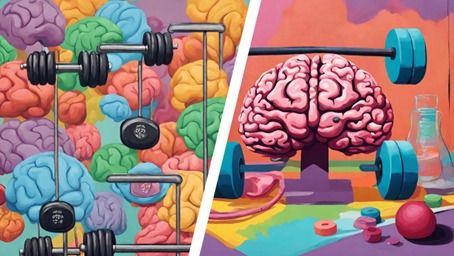
Self-care has become a buzzword. Candles, playlists, routines — all framed as solutions to stress and anxiety. But here’s the uncomfortable truth: self-care alone doesn’t build resilience. Mental fitness is different. Just like physical fitness, it’s not about occasional comfort — it’s about consistent training. Training how you react, how you communicate, how you manage pressure and uncertainty. At MindFit, mental fitness means practicing real skills in real contexts: This approach transforms wellbeing from something abstract into something lived. When people train their minds together, something powerful happens: motivation increases, habits stick, and growth feels human instead of overwhelming. Mental fitness isn’t about becoming perfect.It’s about becoming more present, more resilient, and more connected — step by step, together.